Dimension3D Barcelona
3D Printing Materials — A Practical Selection Guide
The single most common reason a 3D printed part fails in use is that the wrong material was picked for the job. This guide is not a specification sheet — it's a practical description of what each material we stock is genuinely good at, what it isn't, and when to reach for something else. Every material listed here is in our day-to-day rotation.
PLA — the sensible default for parts that don't need heat resistance
PLA (polylactic acid) is the easiest FDM material to print and the most economical. It's dimensionally stable, has minimal warp, prints cleanly at small layer heights, and comes in more colours than any other filament category. For visual models, prototypes, decorative pieces, cookie cutters and any indoor part that won't see mechanical stress, PLA is the sensible default.
Strengths: cheap, printable, dimensionally accurate, good aesthetic finish.
Weaknesses: PLA softens around 55–60 °C. A PLA part left in a parked car in Barcelona in July will deform. It's also more brittle than PETG under sharp impact, and it degrades slowly under prolonged UV exposure.
When NOT to use PLA: any application involving heat above 50 °C, outdoor use for more than a few weeks, or parts that need to flex or absorb impact repeatedly.
PETG — the practical workhorse for functional parts
PETG (polyethylene terephthalate glycol) is what we most often recommend when a customer says "functional part". It's tougher than PLA, more heat-tolerant (softens around 75–80 °C), resists moisture and UV reasonably well, and prints without an enclosure. For enclosures, brackets, mounts, replacement clips, outdoor fixtures and parts that need moderate mechanical strength without industrial-grade requirements, PETG is the practical workhorse.
Strengths: tougher and more impact-resistant than PLA, better temperature and UV behaviour, food-safe grades exist, layer adhesion is good.
Weaknesses: slightly stringier to print (some post-processing may be needed for clean surfaces), less rigid than ABS, not suitable for very high-temperature applications.
When NOT to use PETG: parts exposed to sustained heat above 70 °C, or applications needing very high stiffness (Nylon or PC is better).
ABS and ASA — heat, mechanical stress, and outdoor use
ABS (acrylonitrile butadiene styrene) is the traditional engineering plastic — strong, temperature-resistant to around 100 °C, and machinable with common tools. ASA (acrylonitrile styrene acrylate) is chemically similar but adds proper UV stabilisation, making it the correct choice for anything living outdoors year-round. Both print best in an enclosure to control warping.
Strengths: heat resistance to ~100 °C, good mechanical strength, easily glued and post-machined, ASA is genuinely UV-stable.
Weaknesses: prone to warping without an enclosure or good bed adhesion, ABS releases mild fumes when printing (which is why we run these in a ventilated space), and finish is usually rougher than PLA out of the printer.
When NOT to use ABS/ASA: display models where surface finish matters more than strength, or thin-walled parts where warping distortion would compromise fit.
TPU — flexible parts, gaskets and grips
TPU (thermoplastic polyurethane) is a rubber-like filament that prints in various Shore hardness grades. It's used for anything that needs to flex, damp vibration, or seal against another surface: phone cases, gaskets, feet, cable strain-reliefs, grips, small tyres for robotics projects.
Strengths: excellent flexibility with high tear resistance, chemically robust, good vibration damping.
Weaknesses: slow to print (typically 20–30 mm/s vs 60+ mm/s for PLA), sensitive to moisture (needs to be kept dry), and small features (thin walls, sharp edges) are harder to resolve cleanly than in rigid materials.
When NOT to use TPU: rigid structural parts, anything requiring high dimensional tolerance on tight-fitting features, or when print time is a critical constraint.
Nylon (PA12) and carbon-fibre composites
Nylon is the workhorse engineering polymer of FDM. High tensile strength, excellent fatigue resistance, low friction, and stable across a wide temperature range. Standard applications: gears, hinges, snap-fits, sliding mechanisms, structural brackets under repeated load.
Carbon-fibre reinforced grades (PLA-CF, PETG-CF, Nylon-CF) add short-fibre reinforcement, which increases stiffness and dimensional stability at the cost of some brittleness and abrasive wear on the nozzle. They're the right call for structural brackets, drone frames, robot arms and jigs that need to hold their shape under load without deflecting.
Strengths of Nylon: outstanding mechanical performance for FDM, self-lubricating, tolerates repeated flexing without fatigue failure. Carbon-fibre composites add stiffness and reduce warp.
Weaknesses: Nylon is hygroscopic — it absorbs moisture from the air and needs to be printed dry. Both Nylon and CF composites are more expensive per gram than PLA/PETG. CF variants also require a hardened steel or ruby nozzle because they wear out brass in a few kilos of print.
When NOT to use Nylon or CF: for cost-sensitive parts that PETG could do, or for parts where post-processing (painting, priming) matters more than mechanical performance.
Comparison at a glance
The table below is a rough ranking of the materials we stock across the properties that most commonly determine material choice. Rankings are relative — "low" for TPU flexibility means low compared with rubber, not compared with PLA. Cost is relative per-gram, at typical filament pricing.
| Material | Heat resistance | Mechanical strength | Flexibility | Ease of printing | Outdoor durability | Relative cost | |---|---|---|---|---|---|---| | PLA | Low (~55 °C) | Medium | Low | High | Low | Low | | PETG | Medium (~75 °C) | Medium-High | Slight | Medium-High | Medium-High | Low-Medium | | ABS | High (~100 °C) | High | Low | Medium (needs enclosure) | Medium | Medium | | ASA | High (~100 °C) | High | Low | Medium (needs enclosure) | High (UV-stable) | Medium | | TPU | Medium | Medium (tear-resistant) | Very high | Medium-Low | Medium | Medium | | Nylon (PA12) | High | Very High | Low-Medium (some grades) | Medium (needs drying) | Medium | Medium-High | | PLA-CF | Low (~55 °C) | High (stiff) | Very low | Medium | Low | High | | PETG-CF | Medium (~75 °C) | High (stiff) | Very low | Medium | Medium-High | High | | Nylon-CF | High | Very High (stiff) | Low | Medium (needs drying) | Medium | High |
If you're unsure which of these best fits your part, describe the application when you request a quote — expected loads, temperature range, indoor or outdoor, cost sensitivity — and we'll recommend a material with the reasoning explicit.
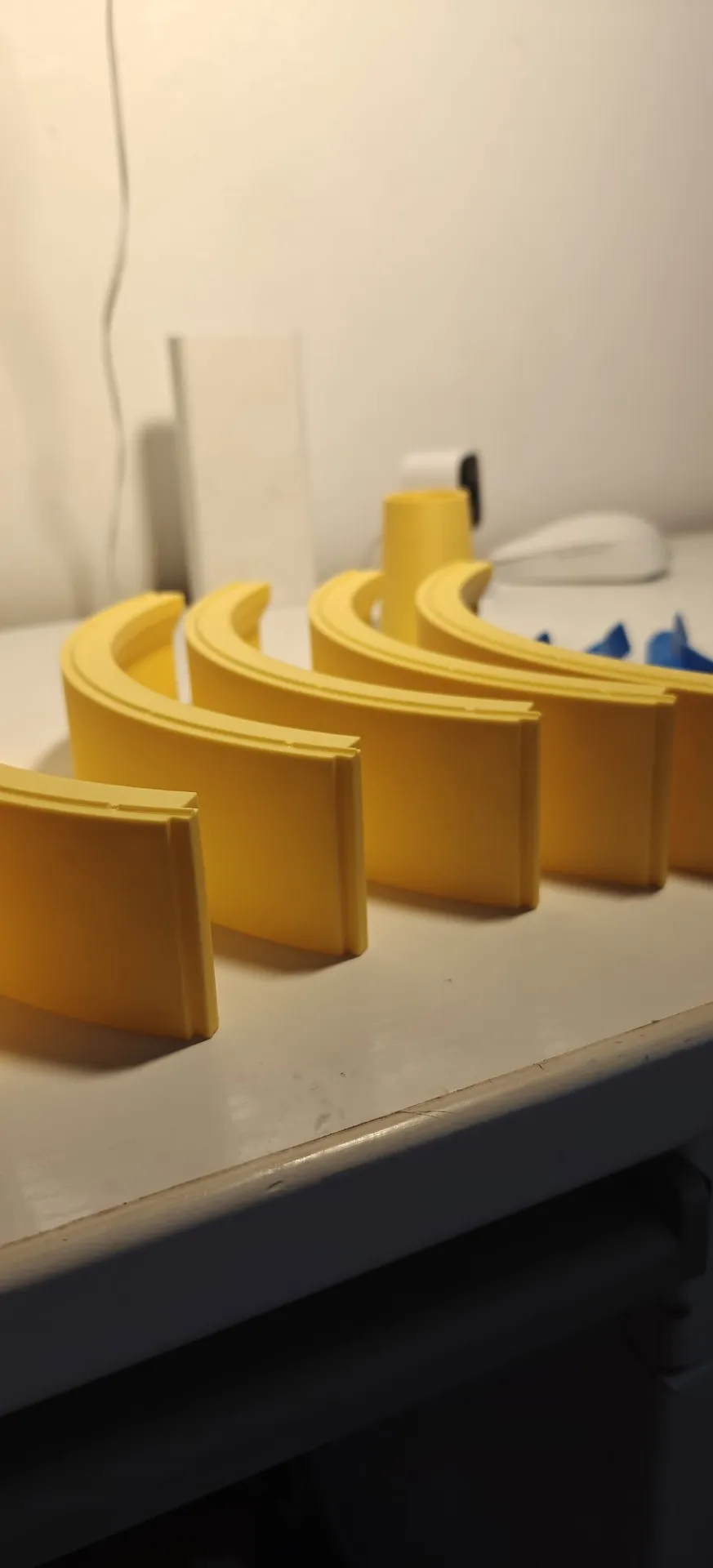
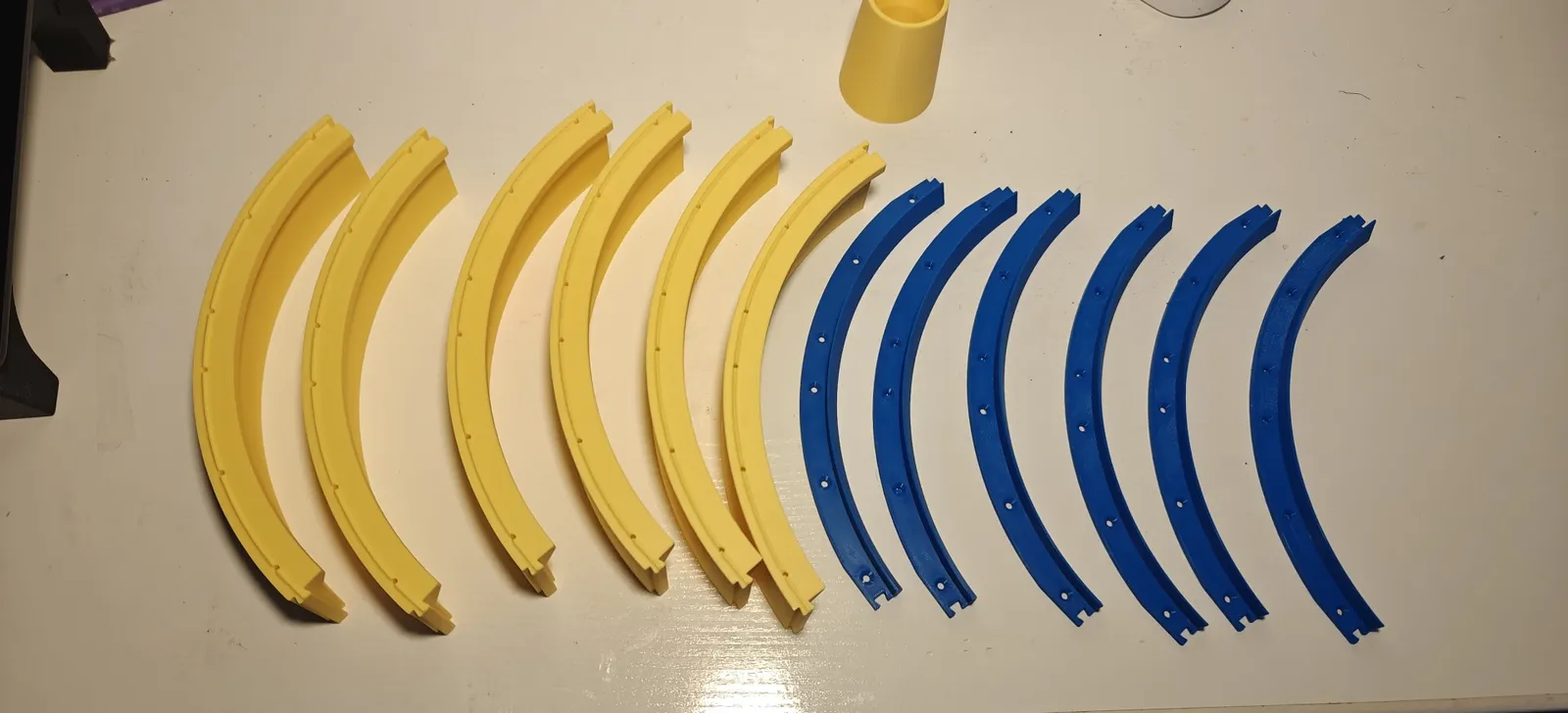
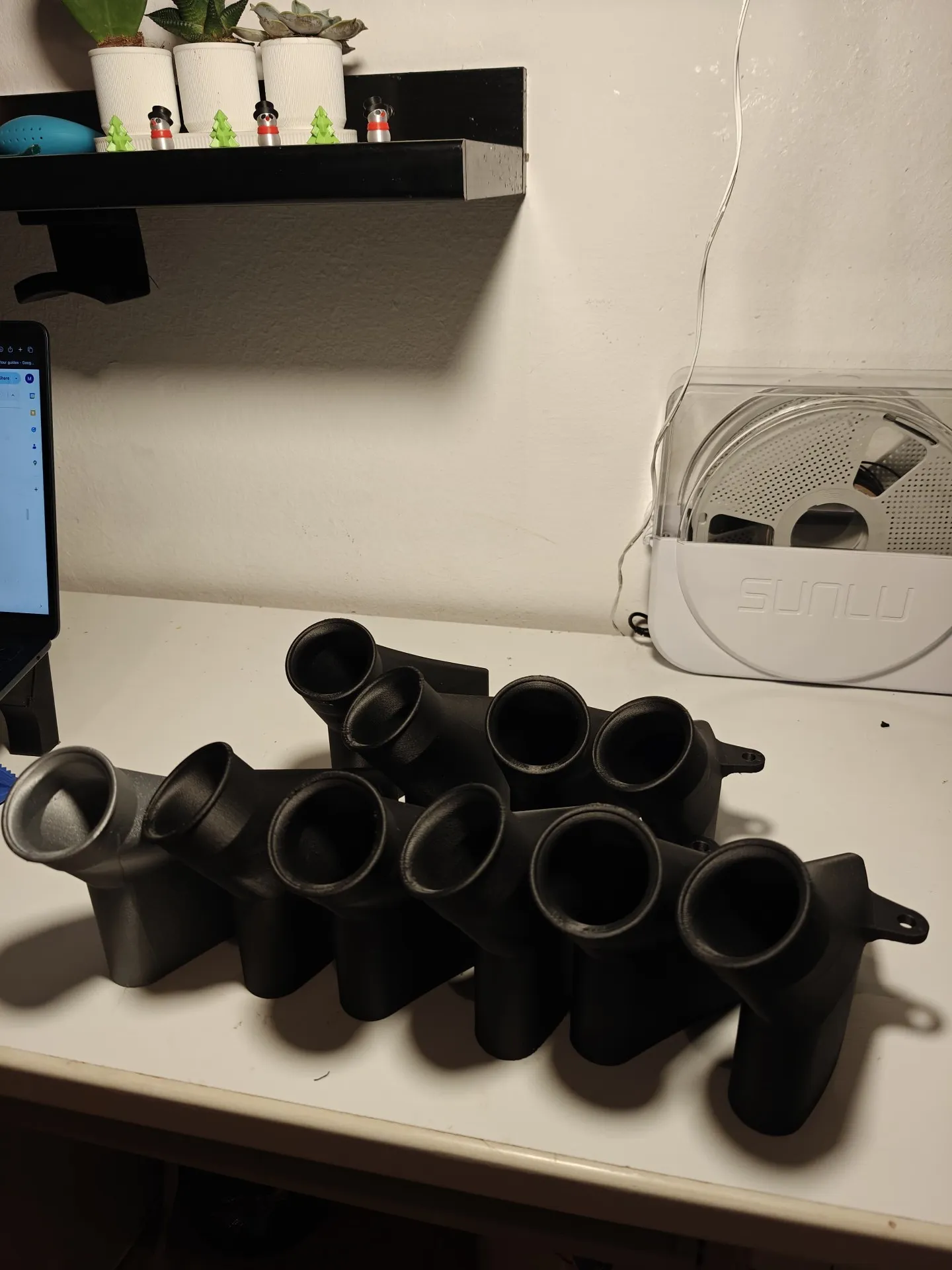
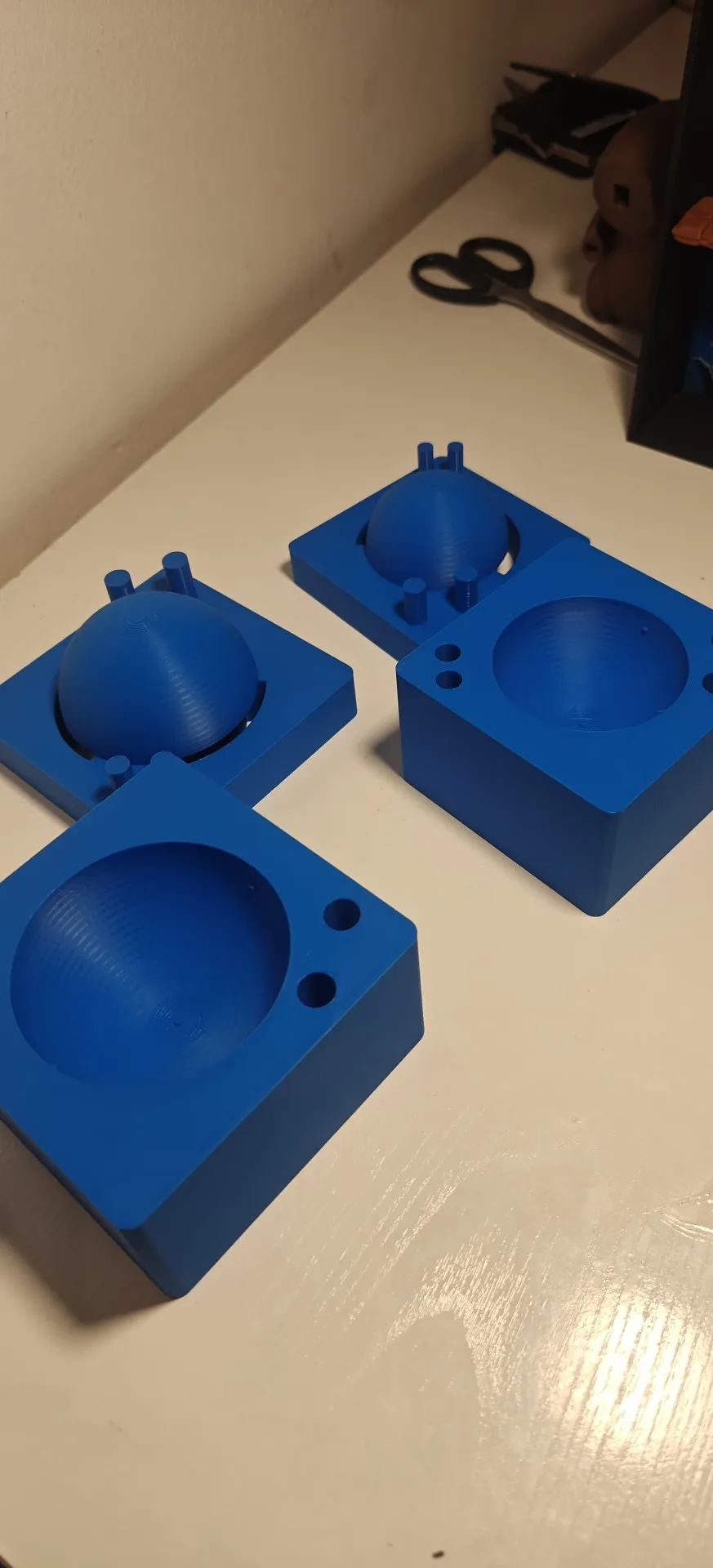
Real prints from our Barcelona workshop


Instant price — from €10
Upload your files — get an instant price
Upload your STL files — no account, no commitment.
Drop your files here
STL, OBJ, 3MF, GLB — or a photo of what you need
No 3D file? We'll design it from a photo or idea
Drop your files here
STL, OBJ, 3MF, GLB — or a photo of what you need
STL · 3MF · OBJ · STEP
No file? Send us a photo on WhatsApp
Drop your files here
STL, OBJ, 3MF, GLB — or a photo of what you need
No 3D file? We'll design it from a photo or idea
Default settings for all parts
Ready to start your project?
Send your file or describe your idea. Free quote in under 1 hour.
Frequently Asked Questions
Customer Reviews
Real feedback from customers we've worked with in Barcelona
"Excellent on-demand 3D printing service, very helpful and patient customer service. Recommended!"
"I'm working for a construction company. We needed a special round shadow gap profile for a wall, but there was no way to buy one because nobody sells it. So we decided to make it with the help of 3D printing. It was fast, affordable, and worked perfectly."
"Espectacular, compré dos maquetas de Stranger Things para los Funkos de Kinder Joy y quedaron geniales. Servicio y calidad de 10."
"Todo lo impreso está tal cual lo pedí. Gran calidad de impresión y persona seria y de confianza. 100% recomendable."
"Perfecto con las medidas exactas. Muy bien trabajado."
"Trabajo perfecto. Atención inmejorable. Muy contento."
Happy customers trusting Dimension3D for 3D printing in Barcelona and beyond
Worked with Dimension3D?
Share your experience and help others discover our service
All reviews are manually verified before publishing to ensure they come from real customers.