Dimension3D Barcelona
Is a 3D Printing Business Profitable? The Real Numbers
Yes, a 3D printing business can be profitable — but only if you price every input, not just the plastic. Worked example: a 120 g PETG bracket (8-hour print) has direct costs of roughly €13 including material, machine time, electricity, failure buffer, and packaging; priced at €25–35 it yields a genuine gross margin once labour is included. This page breaks down every cost line — filament per gram, electricity per hour, printer amortisation, failure rate, packaging, shipping — and covers the input most breakdowns skip: customer acquisition, and how joining a free print network zeroes it out.
Filament cost — per kilo and per gram
Filament is the most visible input, and the easiest to price correctly if you approach it in grams rather than reels.
Typical spool pricing at retail in Europe in the current market: PLA runs roughly €18–28 per kg for basic colours from mid-range brands, €30–45 per kg for silks, marbles and specialty finishes. PETG usually sits €20–30 per kg. ABS/ASA lands around €22–35 per kg. TPU is meaningfully more expensive at €35–55 per kg. Nylon and carbon-fibre-reinforced grades start around €45 per kg and climb from there.
Convert to grams and price per gram becomes: PLA at roughly €0.02–0.045 per gram, PETG at €0.02–0.03, TPU at €0.035–0.055, Nylon-CF at €0.06+. A slicer estimates the grams-in-part figure directly — the number to trust for pricing is the slicer's estimate plus a small buffer (5–10%) for purge, priming and inevitable minor waste.
A small everyday part is typically 15–60 g. A medium functional part is 80–200 g. A large decorative piece or a helmet can be 300 g to well over a kilo. Meaning: material cost alone on most consumer-scale prints is in the range of a few tens of cents to a few euros — small relative to the final price the customer should pay.
Customer acquisition — the missing line in most cost breakdowns, and how a network zeros it out
Every input above assumes you're already finding your own customers. That effort is real cost: months of Google Business setup before reviews compound, hours per week answering enquiries on Wallapop that don't convert, Etsy listing fees, cross-border shipping puzzles, all the trial-and-error of first-time pricing and photography. Most 3D-printing cost breakdowns leave customer acquisition out because it isn't attributable to a specific part — but it's the largest single fixed cost of running a maker side income, and the reason many otherwise-competent makers never reach profitability.
The Dimension3D maker network is designed to remove that line entirely. The offer is deliberately simple:
• Joining is free — no signup fee, no application charge. • No commission on your work — every euro a customer pays you stays with you. • No exclusivity — you continue selling anywhere else you already earn. • Terms are agreed individually with each maker before any work begins, so nothing is imposed generically. • Makers produce locally under the Dimension3D brand when orders arrive in their area.
How the model works in practice: someone else runs the marketing pipeline — SEO, listings, ads, brand — and routes real customer orders to makers in the local area of each order. You keep your printer, you keep your prices, and every job you accept runs on top of whatever else you're already doing.
The network is expanding city by city, so the number of requests you'll see depends on real demand in your specific city — there are no guaranteed volumes and no promised monthly numbers. What is guaranteed is that joining costs nothing and there is no lock-in. If the network produces orders in your city, your effective customer-acquisition cost on those orders is zero, and the price-building math in the following sections runs on top of a genuinely different fixed-cost base.
Apply on [/makers](/makers). See [/maker-guide](/maker-guide) for the full workflow — how orders reach you, how quoting works, and how payment goes directly from customer to maker.
Prefer orders that come to you?
Free to join, no commission, no exclusivity — orders from your area go directly to you.
Electricity — the cost per print hour
A running FDM printer draws power almost entirely for the heated bed and hotend, with a small constant draw for motors and electronics. Average power draw during printing on a typical desktop FDM machine (single hotend, 60 °C bed) sits around 80–150 W. Enclosed printers with heated chambers or dual hotends run higher, sometimes 200–300 W.
At a European retail electricity price in a normal range of €0.15–0.30 per kWh, that works out to roughly €0.015–0.045 per print hour on a standard machine, or a few cents per hour. A 10-hour print in that bracket costs €0.15–0.45 in electricity. That is genuinely low — electricity is rarely the cost that decides whether a job is profitable.
Be explicit about it anyway. Pricing based on plastic alone leaves a small but consistent margin unaccounted for, and over dozens of prints a month it adds up. The way to fold it in is to include a per-hour machine rate (see printer amortisation below) that combines electricity and depreciation into a single number.
Printer amortisation — spreading the machine cost across print hours
The printer itself has a finite working life. Rather than treating the purchase as a lump sum you either recovered or didn't, price it in per hour of use — the same way any equipment-based business does.
A reasonable assumption for a mid-range consumer FDM printer purchased around €400–800: expect a useful working life on the order of 2,000–4,000 print hours before major components (hotend, bed, extruder) need replacing or the machine itself needs meaningful maintenance. Actual working life varies enormously with brand, care and duty cycle — some machines last much longer, some die earlier — but assuming somewhere in that range for planning is fair.
Dividing €400–800 across 2,000–4,000 hours gives an amortised machine cost of roughly €0.10–0.40 per print hour. Combined with electricity (a few cents an hour), a defendable machine rate is somewhere around €0.15–0.50 per print hour depending on your printer and your assumptions. For a 10-hour print, that's €1.50–5.00 attributable to the machine itself — small compared to your time, but not zero and worth including.
Failure rate, packaging, shipping — the hidden costs new sellers miss
Failed prints are real cost. A well-tuned printer running well-understood materials fails maybe 5–10% of the time in normal home operation, higher on unusual geometries or unfamiliar materials, lower on flat-bottomed simple parts you print often. Every failed print consumed material, electricity and machine time you now have to recover from successful ones. Add roughly 10% to your per-part cost as a failure buffer — more if you're working with a difficult material or a first-time geometry.
Packaging matters more than most new sellers estimate. A protective mailer bag or a small box, bubble wrap, a printed label — figure €0.50–2.00 per shipped order depending on part size. Skimp on packaging and the first broken-in-transit part costs more in refunds and reviews than the packaging would have for a hundred orders.
Shipping is either paid by the customer (transparent, no ambiguity) or bundled into your price (simpler for the customer, but be honest with yourself about the actual cost — €4–8 for a small tracked national package in most of Europe, more for larger boxes and international destinations). Under-costed shipping is the single most common way small sellers accidentally lose money on orders.
Worked example — building a price from the inputs
Take a concrete part: a mid-sized custom bracket, 120 g of PETG, 8-hour print time, shipped nationally within Spain in a small padded box.
• Material: 120 g × €0.025/g = €3.00 (PETG at a mid-range price), plus 10% waste buffer = €3.30. • Machine rate: 8 hours × €0.30/hour = €2.40 (mid-range printer amortisation plus electricity). • Failure buffer: 10% of material + machine cost = €0.57. • Packaging + labels: €1.20. • Shipping: €5.50 for a small tracked national package. • Direct cost so far: €12.97.
At this point you have covered every physical input and lost nothing — but you have paid yourself zero. Add labour: even 30 minutes of hands-on time (slicing, prep, post-processing, packing, communicating with the customer) at a modest €15/hour is €7.50. Direct cost including your time: €20.47.
Now add margin. A commercial 3D printing service typically applies a 40–100% markup over direct cost, depending on complexity, urgency and how differentiated the offering is. For this part at a mid-range 60% markup, the final price becomes roughly €33. At the very low end (a hobby seller barely covering costs), €25 might be defendable. At the high end for an urgent job with tight-tolerance requirements, €45 is not unreasonable.
The point is not that €33 is the right number for every bracket. The point is that a price built up from inputs plus labour plus margin is defendable — you can explain every component of it to a customer who asks. A price pulled from thin air is not.
Why very small cheap parts are usually unprofitable — and minimum order values
Once you internalise the cost breakdown, one specific type of job becomes obviously problematic: the very small, very cheap request. A 5-gram print that takes 20 minutes costs less than a euro in material and machine time, but the fixed costs — labour to communicate with the customer, packaging, shipping, transaction processing — do not shrink proportionally. You still need to slice it, message the customer, pack it and ship it. On a €5 print those fixed costs consume most of the price. On a €30 print they're a footnote.
This is why almost every commercial 3D printing operation has a minimum order value, typically somewhere between €10 and €30 depending on the business model. It isn't greed — it's arithmetic. Below the minimum, orders lose money once fixed costs are honestly included.
As a maker, set your own minimum from the start. If a €5 print takes you 15 minutes of hands-on work and consumes packaging and shipping, you are losing money and building a habit of undervaluing your time. A stated minimum (whether €10, €15 or €20) filters out the requests that were never going to be worth your time and gives you space to serve the customers who do value the work.
Real prints from our Barcelona workshop
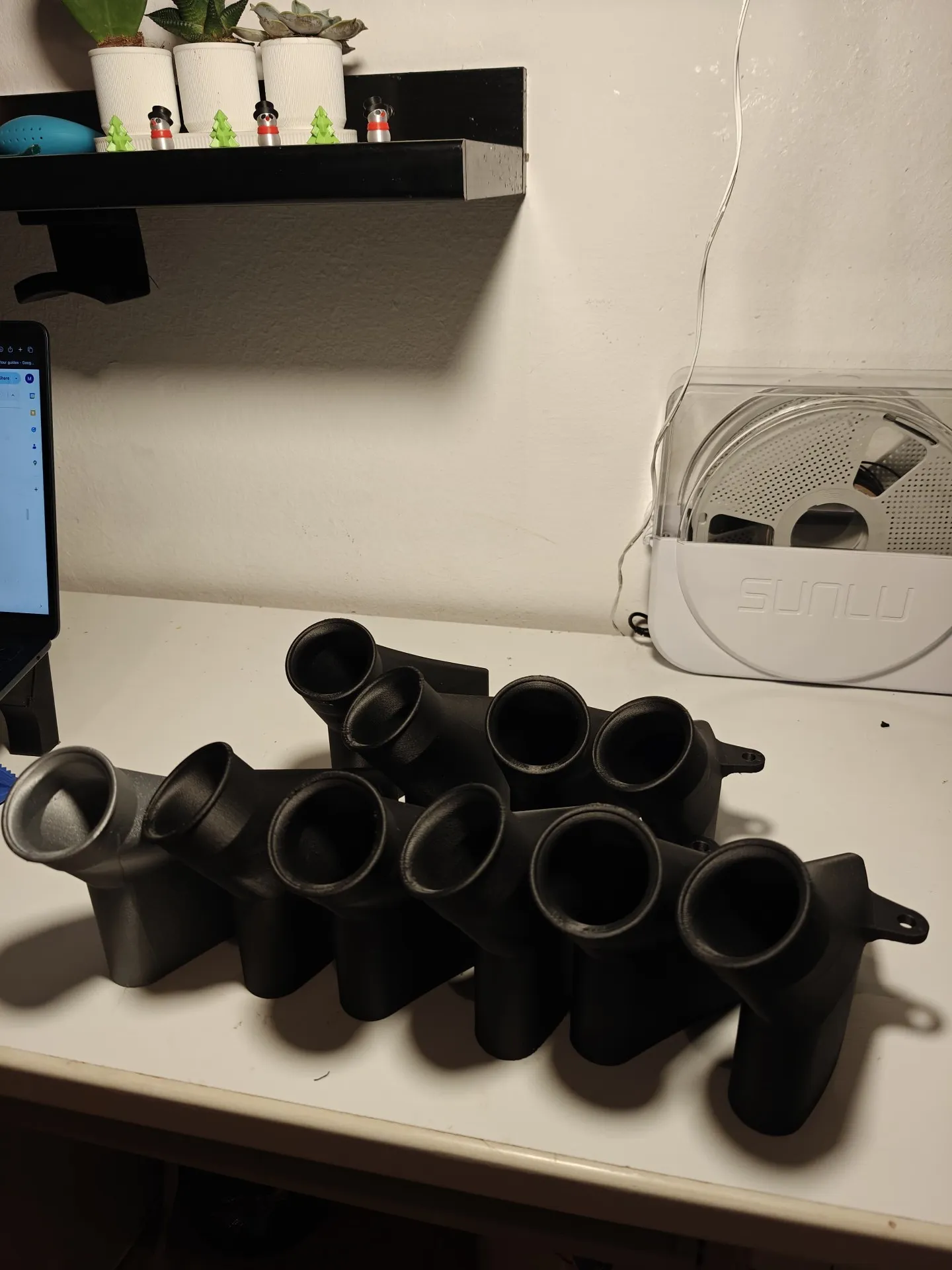
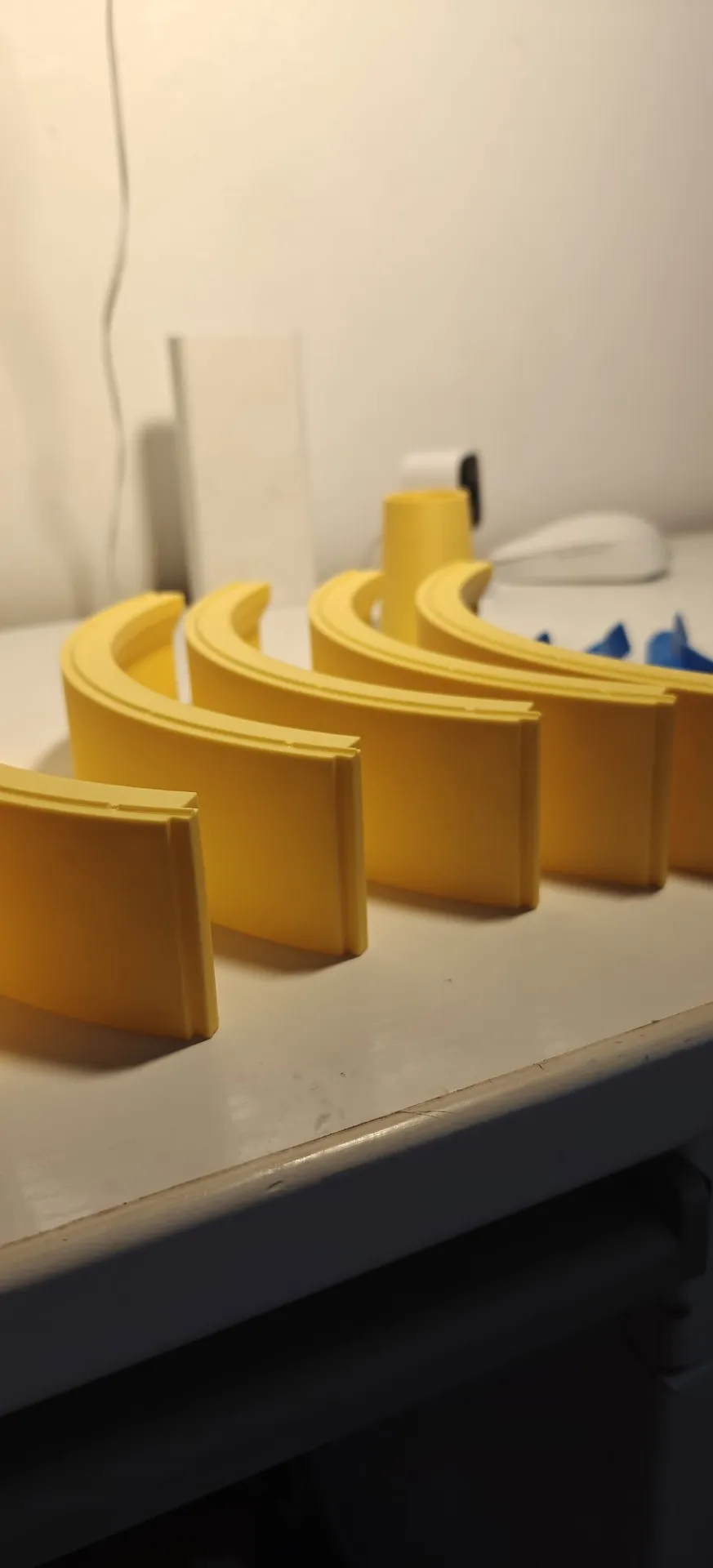

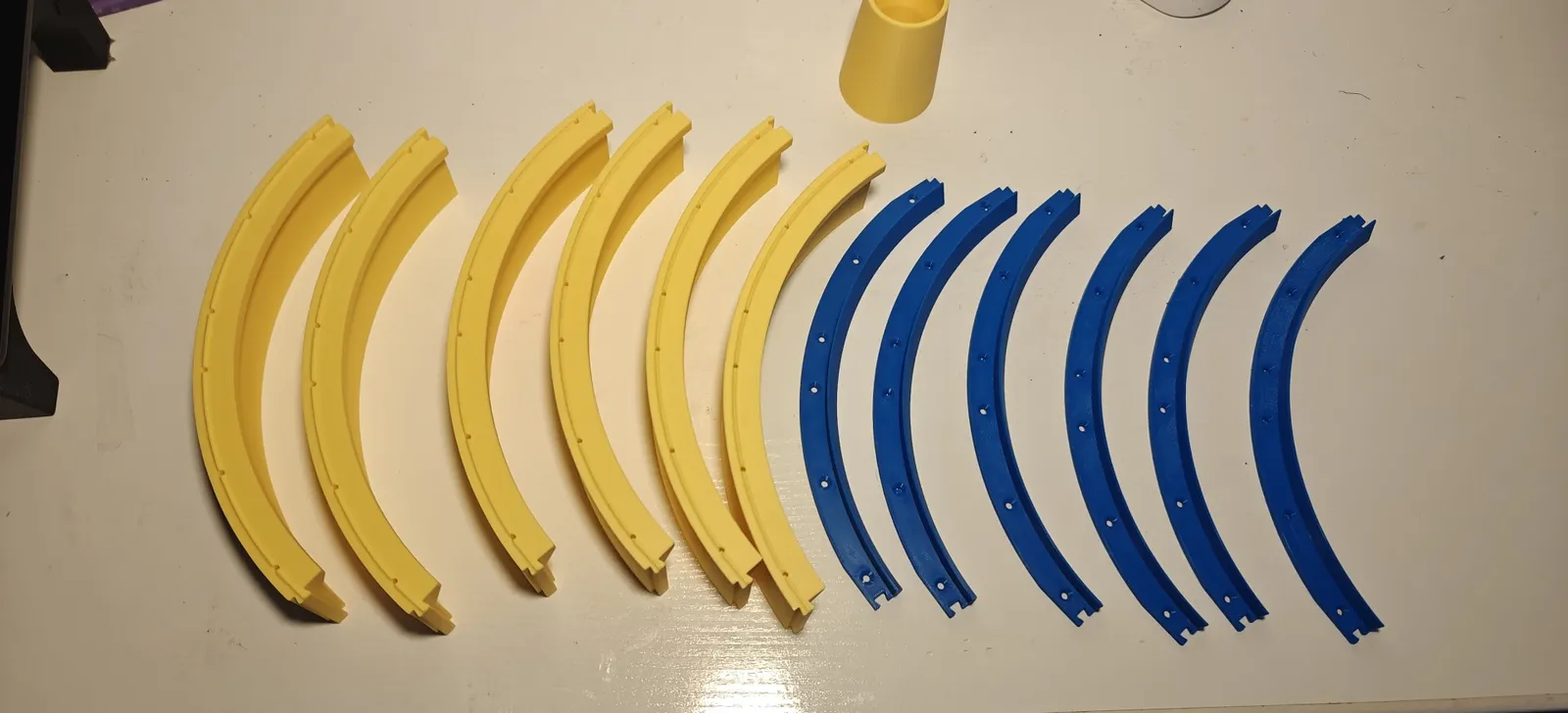
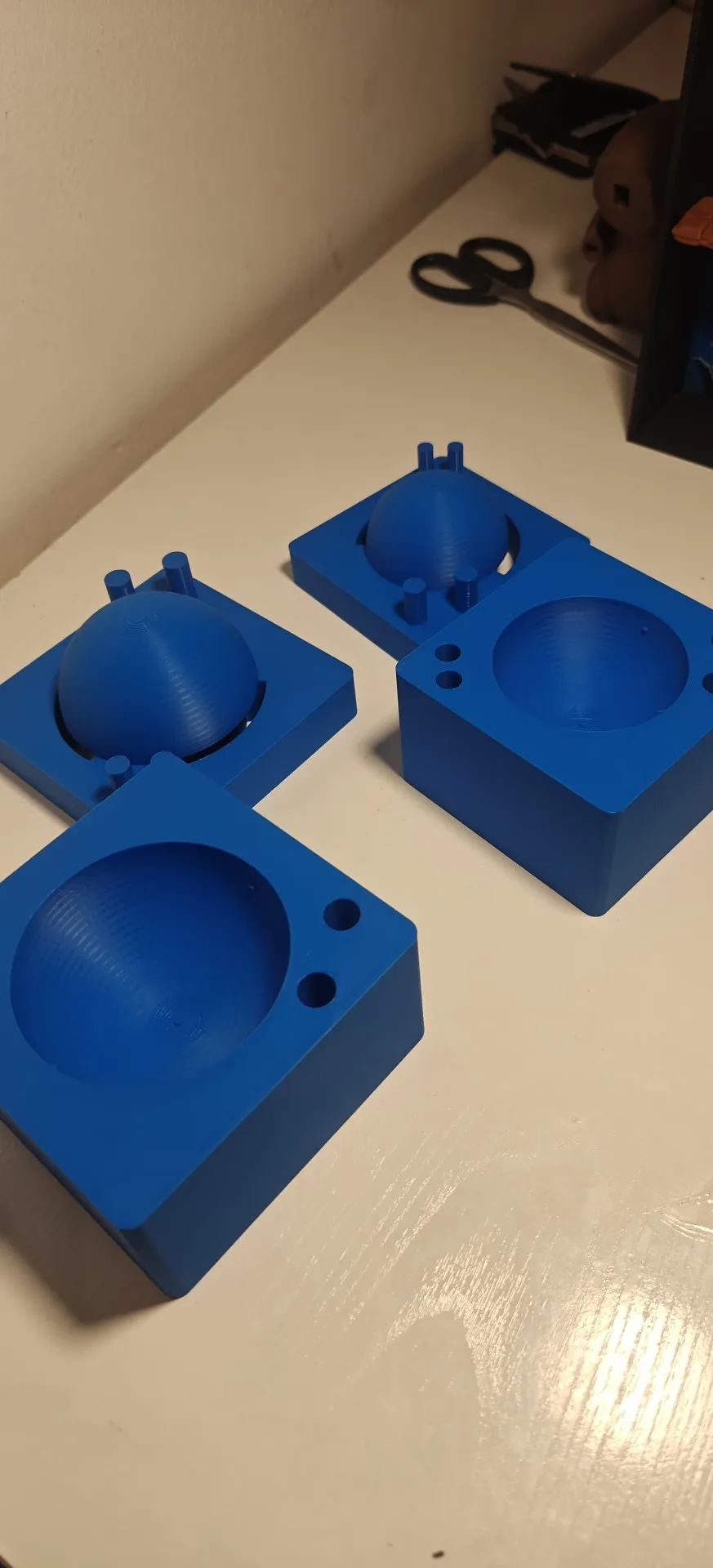

Start earning with your 3D printer
Free to join. No fees, no commission, no exclusivity. Orders from your area go to you.
Frequently Asked Questions
Customer Reviews
Real feedback from customers we've worked with in Barcelona
"Excellent on-demand 3D printing service, very helpful and patient customer service. Recommended!"
"I'm working for a construction company. We needed a special round shadow gap profile for a wall, but there was no way to buy one because nobody sells it. So we decided to make it with the help of 3D printing. It was fast, affordable, and worked perfectly."
"Espectacular, compré dos maquetas de Stranger Things para los Funkos de Kinder Joy y quedaron geniales. Servicio y calidad de 10."
"Todo lo impreso está tal cual lo pedí. Gran calidad de impresión y persona seria y de confianza. 100% recomendable."
"Perfecto con las medidas exactas. Muy bien trabajado."
"Trabajo perfecto. Atención inmejorable. Muy contento."
Happy customers trusting Dimension3D for 3D printing in Barcelona and beyond
Worked with Dimension3D?
Share your experience and help others discover our service
All reviews are manually verified before publishing to ensure they come from real customers.